Technology in the construction and service trades tends to arrive quietly. It starts as a pricey tool used by big firms, then slowly becomes affordable and practical for everyday contractors. We saw this with laser levels, jobsite tablets, estimating apps - and now we’re seeing it again with AR, VR, and drone tech.
The challenge today is figuring out which ones actually help your business right now, and which ones still feel like something out of a tradeshow demo.
Emerging tech doesn’t have to be overwhelming or futuristic. It just has to make your workflow smoother, faster, or more accurate. If it doesn’t do that, it doesn’t matter how impressive it looks.
Drones: The First Emerging Tech That’s Truly Gone Mainstream
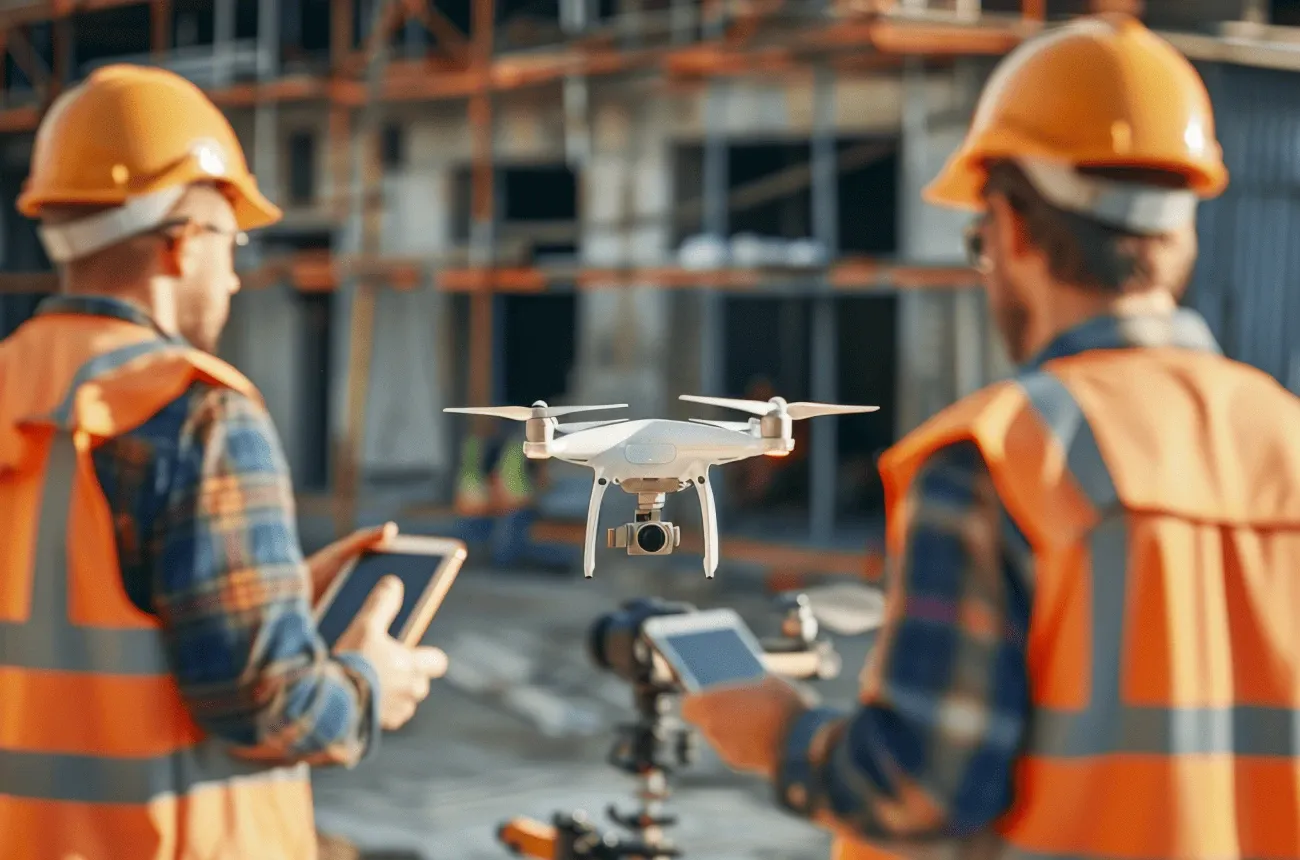
Drones have quietly become one of the most practical field tools across multiple trades. Roofers use them to inspect steep pitches without climbing a ladder. Concrete contractors map large lots to verify grade. Electricians use them to inspect exterior service lines or pole-mounted equipment.
The real value isn’t just the aerial footage - it’s the data.
Modern drones capture measurements, surface models, and elevation changes that once required hours of manual labor or expensive surveying equipment.
For smaller contractors, the benefit is simple:
A quick flyover replaces risky climbs, speeds up estimates, and gives you visual proof that customers trust instantly.
Drones have crossed the line from “nice to have” to “immediately useful,” especially for contractors who deal with exterior work, large sites, or repeated inspections.
AR (Augmented Reality): The Tool That Helps You Explain the Job
AR overlays digital information onto the real world through a phone or tablet. You’re not wearing goggles - you’re pointing your camera and seeing a preview of what something could look like.
For contractors, AR shines in two areas:
1. Customer clarity
Clients often struggle to understand plans. AR allows you to show:
- where equipment will sit
- what a layout will look like
- how a modification will affect space
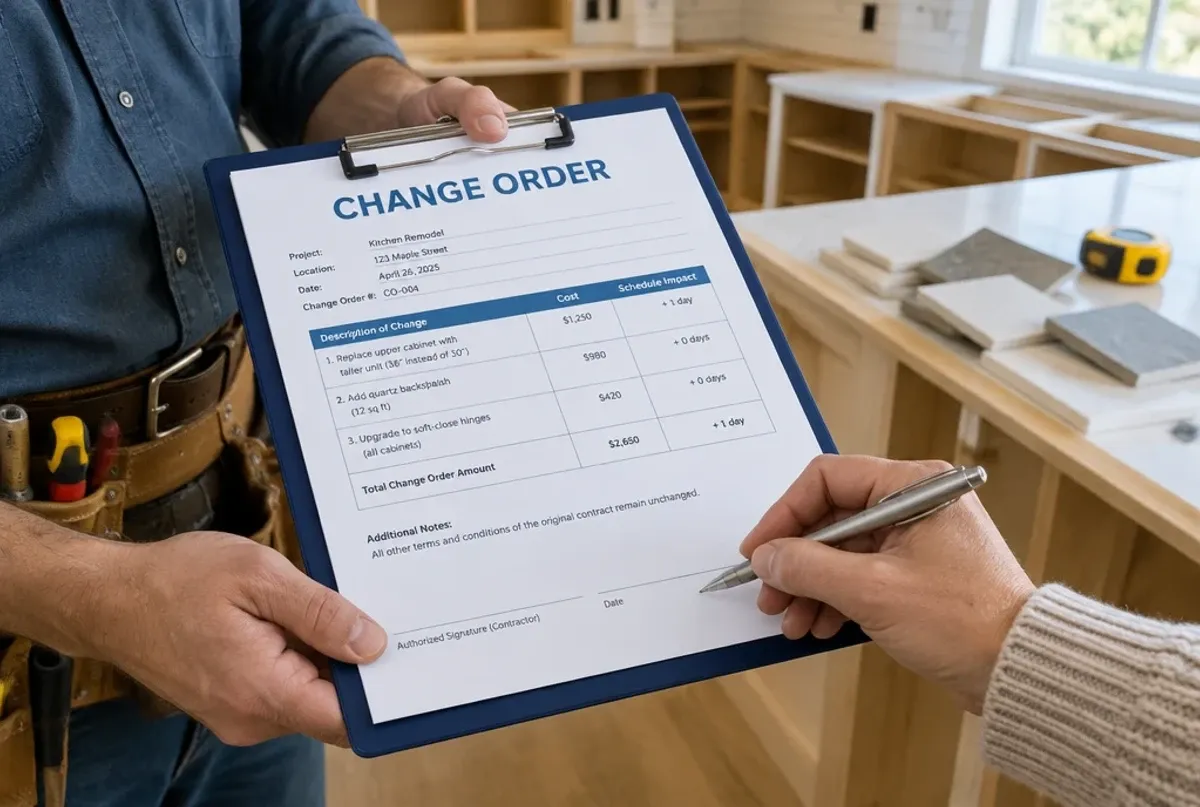
It reduces confusion, shortens approval delays, and prevents change-order arguments later.
2. Install accuracy
Trades like plumbing, electrical, and HVAC use AR to visualize hidden systems behind walls when reviewing as-builts. It’s not replacing experience - it’s giving the tech a digital cheat sheet.
AR is realistic, accessible, and already on the phones you own. It’s not flashy - it’s practical communication.
VR (Virtual Reality): Impressive, but Best for Specific Uses
VR is more immersive than AR - you put on a headset and enter a complete digital environment. While it tends to get more hype, it’s not universally useful yet. But in the right situations, it’s extremely powerful.
Here’s where VR is genuinely helpful:
Training
- New hires can practice safety procedures without risk
- Equipment operation can be simulated before they touch real machinery
- Complex tasks, like panel wiring or equipment teardown, can be rehearsed visually
Design review
Building contractors use VR walk-throughs to catch layout issues before construction starts. Seeing a space in full scale exposes problems that would never show up on paper.
VR is not something every contractor needs today. But in companies that hire regularly, deal with complex builds, or manage commercial projects, it’s becoming a valuable teaching and coordination tool.
Where Emerging Tech Actually Saves Money
The question that matters isn’t “Is the tech cool?”
It’s “Does it reduce time, risk, or rework?”
Here are the areas where drones, AR, and VR already pay off for contractors:
1. Faster estimating
Drones capture areas and dimensions instantly.
AR previews layouts without repeated site visits.
VR helps identify issues before they become change orders.
This cuts down on hours of prep and travel.
2. Better documentation
Photos and models help crews, office staff, and inspectors stay aligned.
No more “he said/she said” or scrambling for old jobsite notes.
3. Safer work
Drones reduce risky climbs.
VR teaches procedures without real exposure.
AR helps techs confirm placements before drilling or cutting.
4. Fewer installation mistakes
Visual previews prevent misplaced equipment, incorrect routing, or layout conflicts.
These are the types of savings that compound across dozens of jobs.
The Skills Your Crew Actually Needs to Use This Tech
Emerging tech doesn’t require a tech-savvy crew - it requires a simple learning curve and a clear purpose.
The best tools:
- run on phones or tablets
- have straightforward interfaces
- integrate with existing apps
- don’t require deep training
Field adoption increases when the tools fit naturally into how your team already works. When tech feels like extra work, it dies. When it feels like part of the workflow, it sticks.
The goal is not to turn your team into tech operators - it’s to give them tools that remove friction.
Signs Your Business Is Ready for Emerging Tech
If any of the following sound familiar, you’ll likely benefit from AR, VR, or drones sooner rather than later:
- You spend too much time explaining layouts to customers
- Your estimates involve multiple return visits
- You operate in high-risk or hard-to-access areas
- Your crew deals with frequent rework due to layout or measurement errors
- You need better documentation for clients, inspectors, or insurance
- Training new hires takes too long or ties up senior techs
When these pressures grow, the right tech becomes a multiplier - not an expense.
Choose Tech That Reduces Friction, Not Adds to It
Emerging tech doesn’t have to be overwhelming, futuristic, or expensive.
It simply has to solve real problems in the field.
Drones have already proven their value.
AR is becoming a communication and accuracy powerhouse.
VR has specialized uses but meaningful impact where it fits.
The contractors who win aren’t the ones chasing every new gadget.
They’re the ones who adopt tools that eliminate friction, improve clarity, and make each job run smoother.
Emerging tech is no longer tomorrow’s conversation - it’s today’s competitive edge, as long as it’s guided by real business needs, not hype.