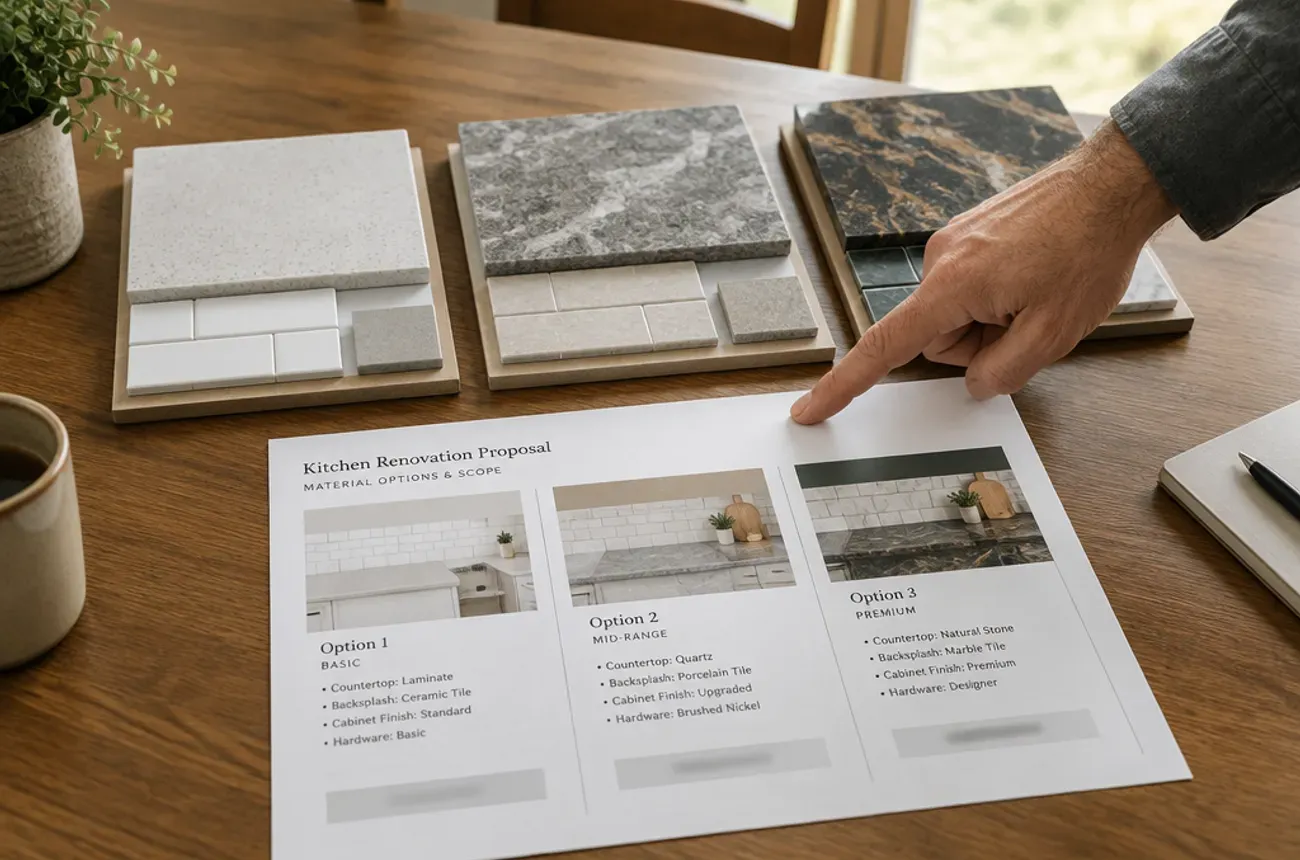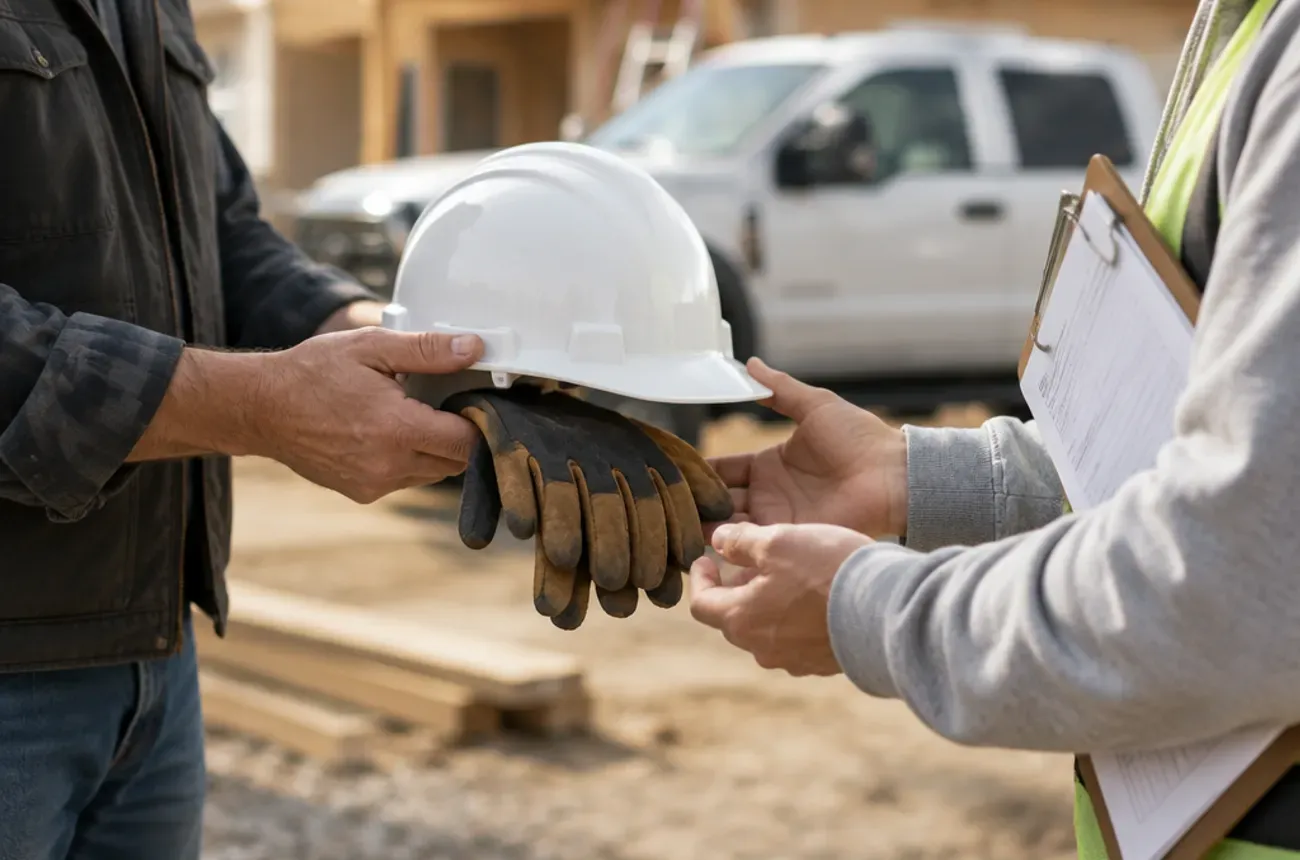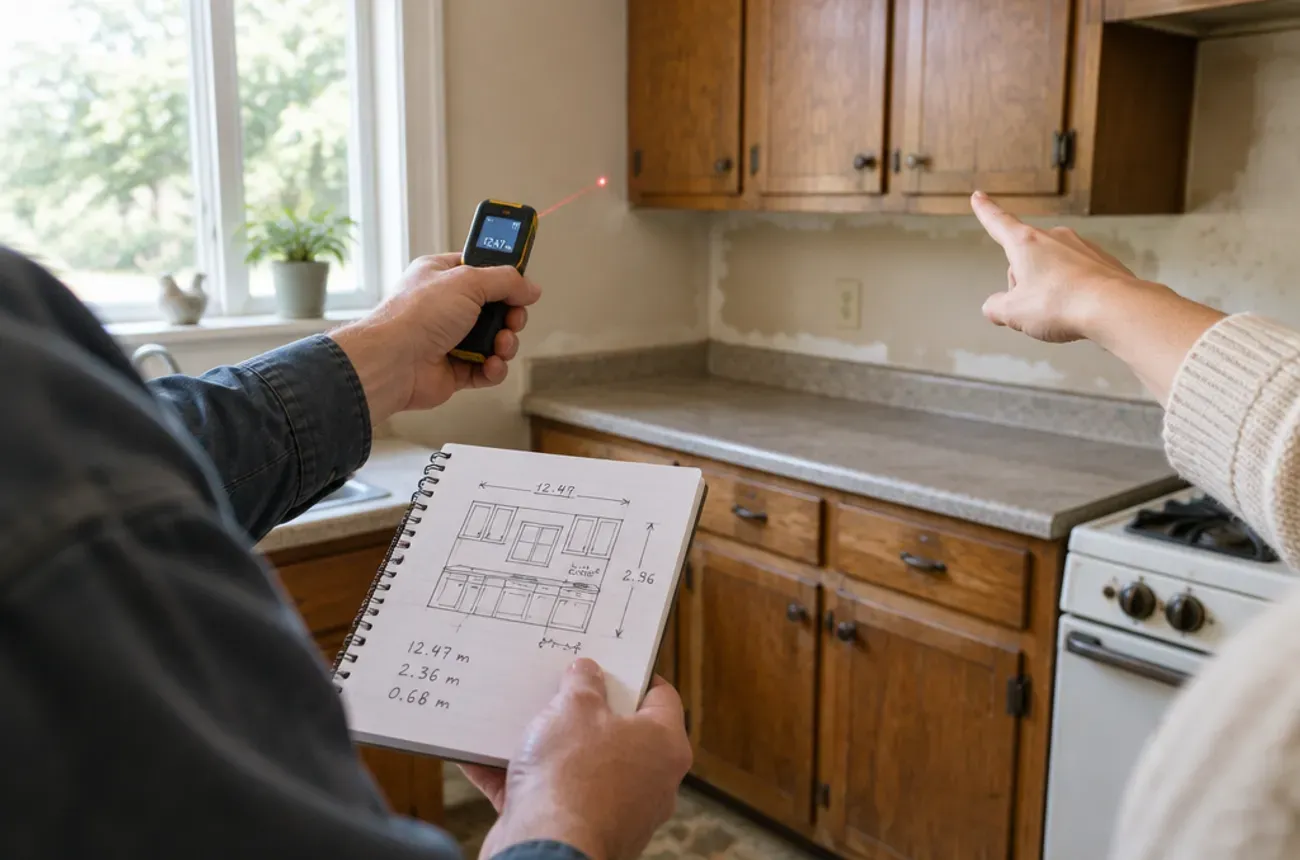
Charge for estimates when the estimate itself takes real design or planning work, such as a remodel with drawings, selections, and a detailed scope. Keep them free when the job is small, the price is fairly standard, and a quick site visit is part of winning the work. Many contractors land in the middle: a free first visit, then a paid design or planning stage that is credited toward the contract if the homeowner signs.
The question is less “free or paid” and more “how much of my time am I giving away, and to whom.” This guide lays out the trade-offs and five practical ways to charge without scaring off good leads.
Free vs. paid: the trade-offs
| Free estimates | Paid estimates | |
|---|---|---|
| Lead volume | More leads, including bargain hunters | Fewer leads, more serious ones |
| Your time | Hours spent on jobs you’ll never win | Time is paid or credited back |
| Close rate | Lower, since many people are just collecting prices | Usually higher, since homeowners have committed something |
| Perception | Expected for small and common jobs | Signals expertise on complex projects |
| Risk | Your detailed scope can end up in a competitor’s hands | A homeowner who pays may expect a full design |
Five ways to charge without losing good leads
- Free first visit, paid detailed proposal. The site visit and a ballpark range are free. Drawings, selections, and a line-item proposal are paid.
- Paid estimate, credited at signing. Charge a fee for the estimate and subtract it from the contract if the homeowner hires you. It filters out price shoppers without costing serious clients anything.
- Trip or consultation fee. A flat fee for visits outside your service area or for small jobs that need a trip just to price.
- Paid design agreement for big projects. For additions and full remodels, a separate agreement covers design, plans, and pricing over a few weeks.
- Free virtual estimate first. Photos and a video call sort out who is ready for an in-person visit.
Whatever you choose, put it on your website and say it on the first call, so nobody is surprised.
How to explain the fee
Homeowners accept a fee when they understand what they get and how it pays them back:
“The first visit is free. If you’d like a detailed proposal with drawings and exact pricing, there’s a $[amount] design fee, and the full amount comes off your contract if you hire us. It covers the time to measure everything, price each part of the job, and give you a plan you can count on.”
Make free estimates cost you less
If you keep estimates free, protect your time:
- Qualify on the phone first. Ask about scope, timing, and budget range before you drive out. Our guide to the remodeling sales process has a short list of questions.
- Give ranges early. A rough range on the phone saves a visit to someone whose budget is far off.
- Use templates. Common jobs priced from a template take a fraction of the time.
- Track your numbers. If only a small share of free estimates turn into jobs, that is your signal to change the model.
Where MotionOps fits
MotionOps helps you spend less time on each estimate and keep track of every one, for contractors whose jobs run for days or weeks:
- Proposal builder so estimates go out faster
- E-signatures and online payments, so an approved estimate moves straight to scheduling
- CRM that shows where every lead and estimate stands
- Scheduling for site visits alongside your active jobs
Try MotionOps free for 14 days and send your next estimate from it.